Getting help in the United States right now
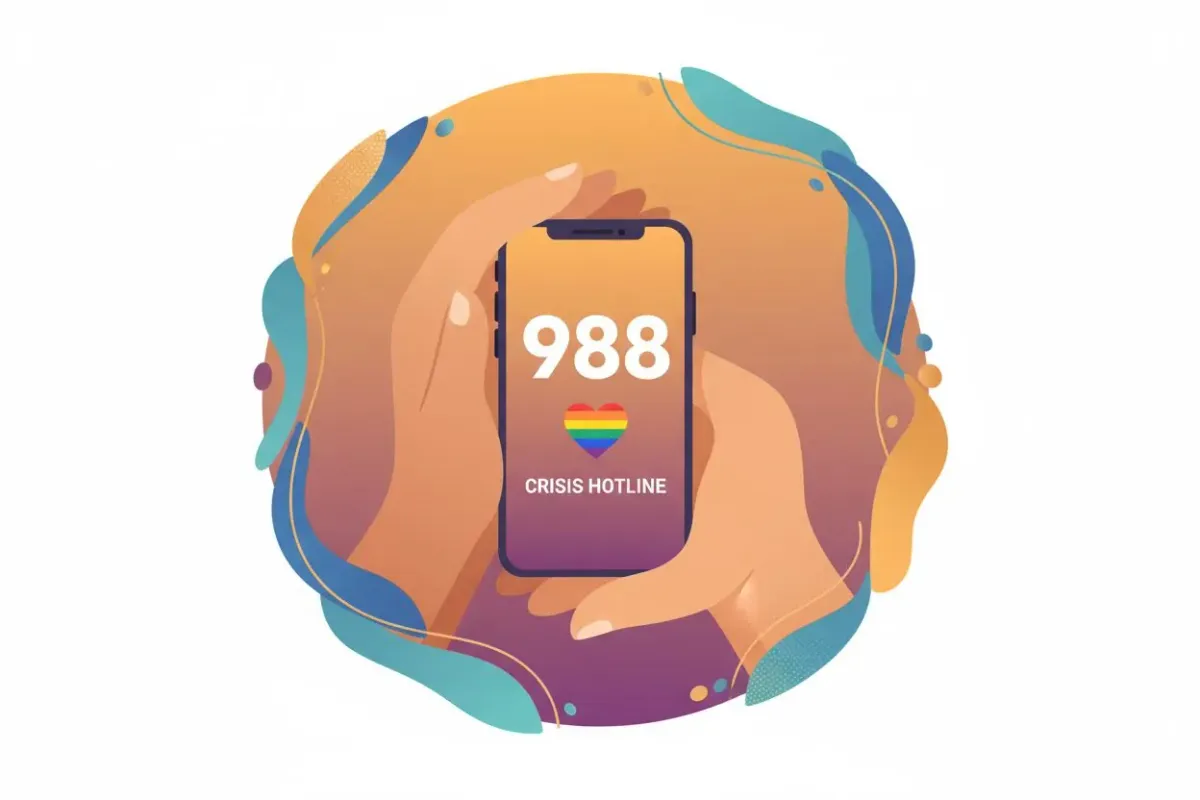
If you or a friend is in immediate physical danger, has taken an overdose, or needs emergency medical care, call 911 or go to an emergency department. For emotional distress or thoughts of suicide, the U.S. 988 Suicide & Crisis Lifeline is open day and night. You can also contact it when you are worried about someone else.
988 Suicide & Crisis Lifeline · 24 hours
In the U.S. and its territories, anyone can call 988, text 988 or use 988 web chat. For specialized LGBTQ+ youth support, press 3 during a voice call or send PRIDE to 988 by text. What happens when you contact 988
The Trevor Project · 24 hours
LGBTQ+ young people in the U.S. can call Trevor at 1-866-488-7386, text 678678 with the word START or open chat through Trevor’s Get Help page. All three channels are available every day.
Trans Lifeline · weekday peer support
Trans people in the U.S. and Canada can speak with a trans peer. Regular hours are Monday through Friday, 10 a.m. to 6 p.m. Pacific. The Trans Lifeline hotline page lists each country’s number and hours in other time zones. If the line is closed and you need immediate support in the U.S., 988 is available overnight.
The national LGBTQ+ youth option was suspended in July 2025 and restored on September 30, 2026. Trevor continues to run its own direct services independently. A campus poster printed during the interruption may still show the old menu. Use the operator’s published instructions above to check it. Trevor’s restoration announcement
If it is hard to speak out loud
A text conversation may work in a shared room. Consider who can see notifications, your screen, the message history or a shared phone account. A web chat can leave browser history too. You can ask a counselor what information the service keeps and when they might contact emergency services. If your first choice is unavailable and you need help now, try another open channel.
You can start with one sentence. For example, “I’m in my dorm, I’m frightened by how I feel, and I’d like to talk to someone.” You can use the name you want the counselor to use and decide how much of your background to share.
When the campus office is closed
Look on the counseling center’s own website for its after-hours instructions. A residence life front desk or an RA can help locate those instructions. Office hours, walk-in appointments and on-call arrangements vary by campus. If a center lists only its next business day, the national services above are available overnight.
For follow-up care, ask who can arrange an intake, when the next appointment is and what you can use during a wait. If the referral is off campus, ask about the fee and where insurance statements will go. Planning for campus counseling and referrals
If you are helping a friend
Listen, take what they say seriously and ask what would help them feel safer right now. You can offer to sit with them while they contact support. If you are apart, ask how they would like to stay in touch. A 988 counselor can also help you think through what to do for someone you care about. In an immediate medical emergency, contact emergency services.
When things settle, ask what follow-up they want. Walking together to the counseling office, finding somewhere quiet to make a call, or checking in the next morning can make the next step easier.