When Schools Say No: LGBTQ+ Student Clubs and the Fight for Space
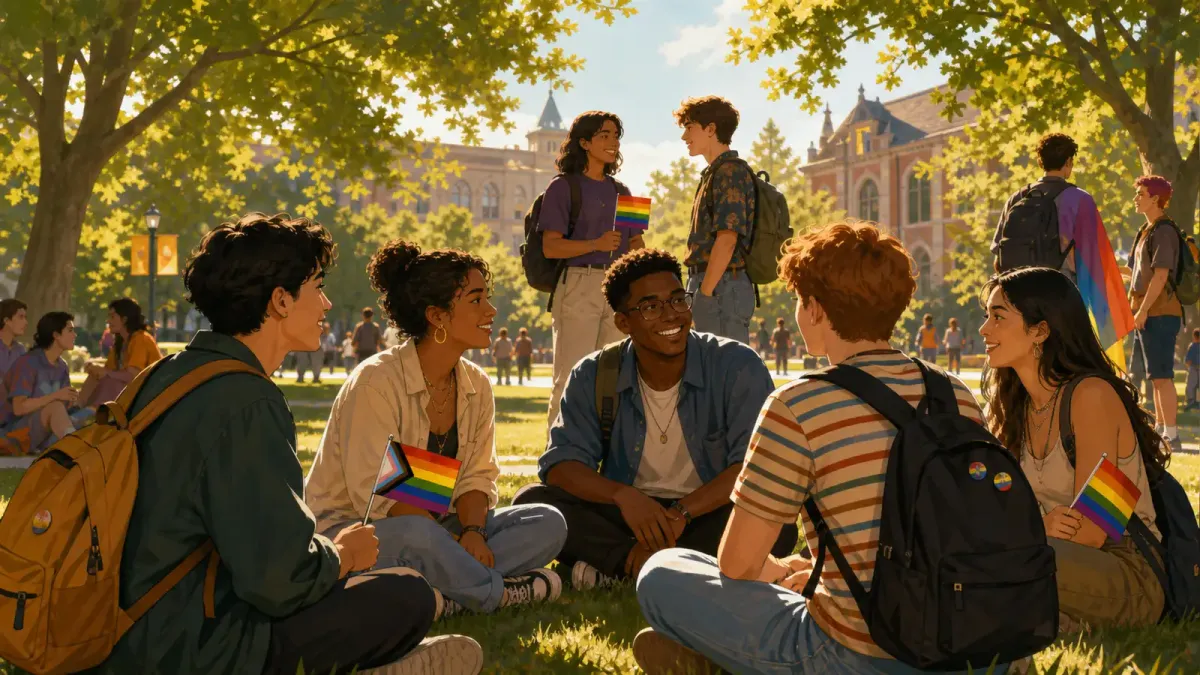
LGBTQ+ student clubs have been lifelines for decades. They provide safe spaces, community, and a sense of belonging for students who might otherwise feel isolated. But these clubs are facing increasing resistance from school boards, administrators, and policymakers across the country.
Recent events illustrate the scope of the challenge. In Virginia, the ACLU filed a lawsuit against the King George School Board, alleging that the board blocked an LGBTQ+ student club from forming. In Oakland, a Catholic school announced it would remove Pride flags from classrooms. And at the federal level, the Department of Education removed LGBTQ+ bullying data from a major survey, drawing condemnation from the Human Rights Campaign.
These are not isolated incidents. They represent a pattern of institutional pushback against LGBTQ+ student visibility and organizing. For students who rely on these clubs for support and community, the stakes are high.
Why Student Clubs Matter
For LGBTQ+ students, a GSA (Gender-Sexuality Alliance) or similar club is more than an extracurricular activity. Research consistently shows that these clubs improve mental health outcomes, reduce feelings of isolation, and create environments where students feel safer at school.
A 2024 study by the Gay, Lesbian and Straight Education Network (GLSEN) found that students in schools with GSAs reported lower rates of victimization based on sexual orientation and gender identity. They also reported higher levels of school belonging and were more likely to have supportive adults at school.
The numbers tell a compelling story. Students with access to GSAs were 30% less likely to report feeling unsafe at school because of their sexual orientation. They were also more likely to report having at least one supportive teacher or staff member, which research identifies as a critical protective factor for LGBTQ+ youth mental health.
The clubs also serve as organizing hubs. Students in GSAs learn advocacy skills, how to navigate institutional processes, and how to build coalitions with other student groups. These skills extend beyond the club room and into broader civic engagement.
When schools block these clubs, they are not just eliminating an extracurricular. They are removing a support structure that research shows improves student well-being and safety. The consequences ripple outward, affecting not just club members but the entire school climate.
The Virginia Lawsuit
The ACLU of Virginia filed suit against the King George School Board in early August 2026, alleging that the board violated students’ First Amendment rights by blocking the formation of an LGBTQ+ student club. According to the complaint, students requested permission to form a GSA, following the same process used by other student organizations. The board denied the request.
The lawsuit argues that the denial was based on the club’s LGBTQ+ content, which constitutes viewpoint discrimination. Under federal law, public schools that allow other student clubs cannot deny recognition to a club based on its viewpoint.
The case is notable because it follows a familiar pattern. School boards that allow chess clubs, debate teams, and Christian student organizations sometimes attempt to block LGBTQ+ clubs, often citing parental concerns or “community values.” Courts have generally ruled that such denials violate the Equal Access Act, which requires public schools to provide equal access to extracurricular activities.
The Equal Access Act, passed in 1984, was designed to prevent exactly this kind of discrimination. It applies to public schools that receive federal funding and that have a “limited open forum” for extracurricular activities. Once a school allows any non-curriculum-related club, it must allow all such clubs, including those focused on LGBTQ+ issues.
The Virginia case is ongoing, and its outcome could have implications for similar disputes in other states. Legal experts note that the facts of the case align closely with previous rulings in favor of student clubs, but the current political climate adds uncertainty.
Pride Flags and Classroom Visibility
In Oakland, a Catholic school announced in August 2026 that it would remove Pride flags from classrooms. The decision came after pressure from some parents and diocese officials who objected to the symbols of LGBTQ+ support.
The removal highlights the tension between inclusive school environments and institutional policies. While public schools are bound by the First Amendment and the Equal Access Act, private and religious schools operate under different rules. Students at these schools often have fewer legal protections.
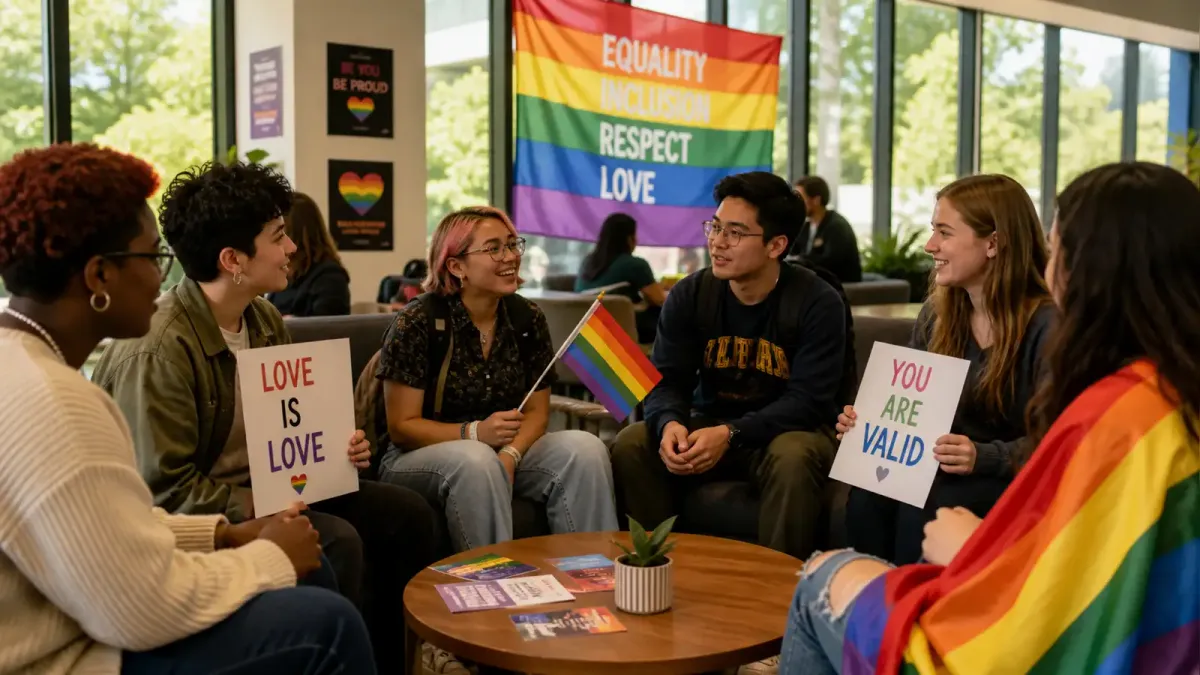
For students at schools where Pride symbols are being removed, the loss can feel personal. Research shows that visible symbols of support, like Pride flags or safe space stickers, contribute to a sense of belonging for LGBTQ+ students. Removing them sends a message that their identities are not welcome.
The psychological impact of this kind of symbolic removal should not be underestimated. A 2023 study published in the Journal of Adolescent Health found that LGBTQ+ students who reported seeing Pride symbols at school were 25% less likely to report symptoms of depression. The symbols served as visual cues that the environment was supportive, even if the student did not personally interact with them.
Some students have responded by creating alternative forms of visibility, such as wearing rainbow accessories or sharing supportive messages on social media. These acts of resistance, while small, help maintain community connections even when institutional support is withdrawn.
At some schools, students have organized “pride walls” or bulletin boards in areas outside official classroom spaces. Others have created digital communities through group chats and social media platforms, where they can share resources and support without relying on school approval.
Federal Data Collection Changes
At the federal level, the Department of Education removed LGBTQ+ bullying data from a major survey in 2026. The Human Rights Campaign condemned the decision, calling it an attempt to erase LGBTQ+ students from the record.
The data had been collected as part of the Youth Risk Behavior Survey, which tracks health and safety indicators among high school students. Including LGBTQ+ data allowed researchers and advocates to understand the specific challenges faced by these students and to develop targeted interventions.
Without this data, it becomes harder to advocate for policies that protect LGBTQ+ students. It also becomes more difficult to measure whether anti-bullying programs are working for this population. Data is the foundation of evidence-based policy, and removing it leaves advocates working in the dark.
The removal of the data is part of a broader pattern of rolling back LGBTQ+ inclusion in federal policy. Advocates argue that this approach ignores the reality of LGBTQ+ students’ lives and needs. The Trevor Project’s 2025 survey found that 45% of LGBTQ+ youth seriously considered suicide in the past year, underscoring the urgent need for data-driven interventions.
Several state-level organizations have stepped in to fill the gap, conducting their own surveys and collecting data on LGBTQ+ student experiences. But these efforts are uneven, and many states lack the resources to conduct comprehensive data collection.
How Students Are Responding
Despite the challenges, LGBTQ+ students are finding ways to organize and advocate for themselves. Some are forming unofficial clubs that operate without school recognition, meeting off campus or in private spaces. Others are using social media to build community and share resources.
The adaptability of student organizers is striking. In states where school boards have blocked official GSA recognition, students have created “rainbow alliances” or other unofficial groups that achieve the same goals without requiring school approval. These groups may not have access to school meeting rooms or budgets, but they provide the same sense of community and support.
Legal organizations like the ACLU, GLSEN, and the National Center for Lesbian Rights continue to support students facing discrimination. They provide legal resources, advocacy training, and connections to other student groups facing similar challenges.
Some students are also turning to community organizations and local Pride centers for support. These organizations often provide meeting spaces, mentorship, and resources that schools are unable or unwilling to offer. In many cases, the relationships students build with community organizations outlast their time in school, creating lasting networks of support.
The resilience of LGBTQ+ students in the face of institutional resistance is remarkable. They are adapting, organizing, and finding new ways to build community even when the structures around them are hostile. This adaptability is both a strength and a necessity, as the legal and political landscape continues to shift.
What Students Can Do
If your school is blocking an LGBTQ+ club or removing symbols of support, there are steps you can take.
First, know your rights. The Equal Access Act applies to public schools that receive federal funding and allow other extracurricular activities. If your school allows clubs like chess or debate but denies an LGBTQ+ club, that may constitute discrimination. Many state constitutions also provide additional protections for student speech and assembly.
Second, document everything. Keep records of communications with school administrators, including emails, letters, and meeting notes. This documentation can be valuable if legal action becomes necessary. Note the dates, names of people involved, and specific reasons given for any denial.
Third, connect with advocacy organizations. Groups like GLSEN, the ACLU, and the Trevor Project offer resources and support for students facing discrimination. They can help you understand your options and connect with legal representation if needed. The Lambda Legal Defense and Education Fund also provides free legal assistance to LGBTQ+ students.
Fourth, build coalitions. Ally students, supportive teachers, and community organizations can all help amplify your voice. Sometimes, the support of a broader coalition can change administrators’ minds. Straight allies can be particularly effective in spaces where LGBTQ+ voices are marginalized.
Fifth, consider local media. In some cases, bringing public attention to a school’s discriminatory practices can create pressure for change. Local newspapers and TV stations are often interested in stories about student rights and school policy.
Finally, take care of yourself. Advocacy is important, but so is your well-being. Make sure you have a support system in place and that you are not carrying this burden alone. The Trevor Project’s crisis line (1-866-488-7386) is available 24/7 for LGBTQ+ youth in crisis.
Conclusion
LGBTQ+ student clubs are under pressure, but they remain essential. They provide community, support, and a sense of belonging for students who need it most. The recent wave of institutional resistance, from school board denials to Pride flag removals to federal data collection changes, is a reminder that these gains are not permanent.
But the response from students and advocates shows that the fight for inclusive schools is far from over. Students are organizing, legal organizations are mobilizing, and communities are finding new ways to support LGBTQ+ youth. The challenges are real, but so is the determination of those who believe every student deserves to feel safe and seen at school.
The path forward requires both legal advocacy and community building. Court cases like the Virginia lawsuit establish important precedents, but they take time. In the meantime, students continue to create the spaces they need, often with the support of teachers, community organizations, and each other. That determination, in the face of institutional resistance, is itself a form of advocacy.