Wellness & Health
Mental Health Day Is an Award. Monday Still Needs Hours
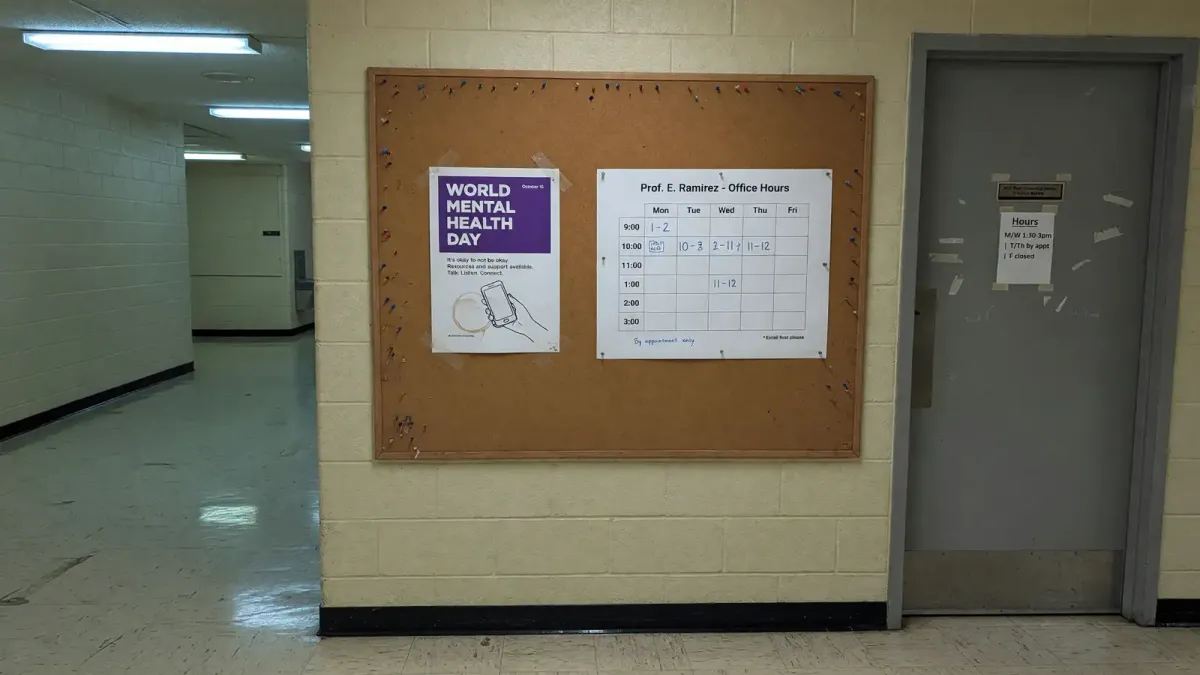
Trevor named Zara Larsson on October 9. World Mental Health Day is a poster. Ask for counseling hours and the Center Awareness Day webinar on the 19th.
34 articles found
Trevor named Zara Larsson on October 9. World Mental Health Day is a poster. Ask for counseling hours and the Center Awareness Day webinar on the 19th.
Rider News listed Trevor as text START to 678-678. A Springfield CEO listed 1-866-488-7386. 988 is 24/7. Your campus intake form is not.
California put $5 million and two bills behind a LGBTQ+ 988 option after HHS's $252 million announcement skipped it. Students still need a person on campus when the federal line is a policy fight.
Universities are expanding mental health services, but access varies wildly. Here is how to evaluate what your school offers and push for better.
Your school dropped Pride events, cut its LGBTQ+ center, or went quiet on diversity. Here is how to find the support you still need.

Federal healthcare restrictions are shifting, but your wellbeing doesn't have to follow. Practical strategies for finding support, staying grounded, and protecting your peace.
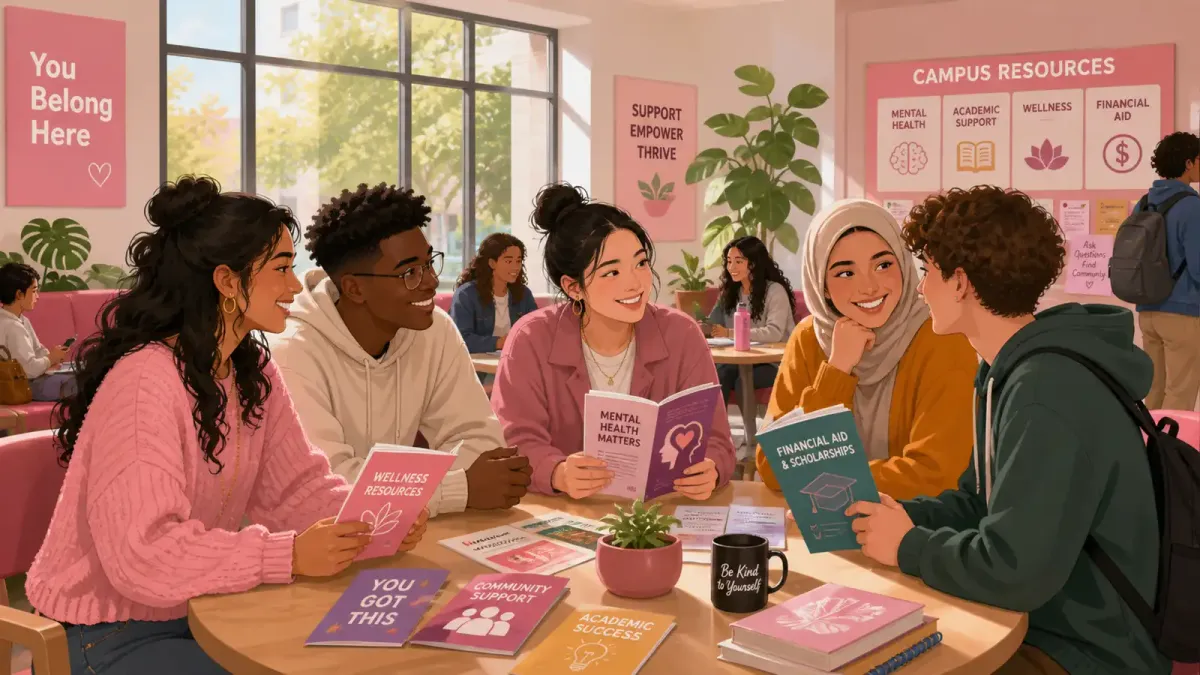
Most colleges have LGBTQ+ support services hiding in plain sight. Here is how to locate them, evaluate whether they actually help, and build a network that lasts beyond graduation.
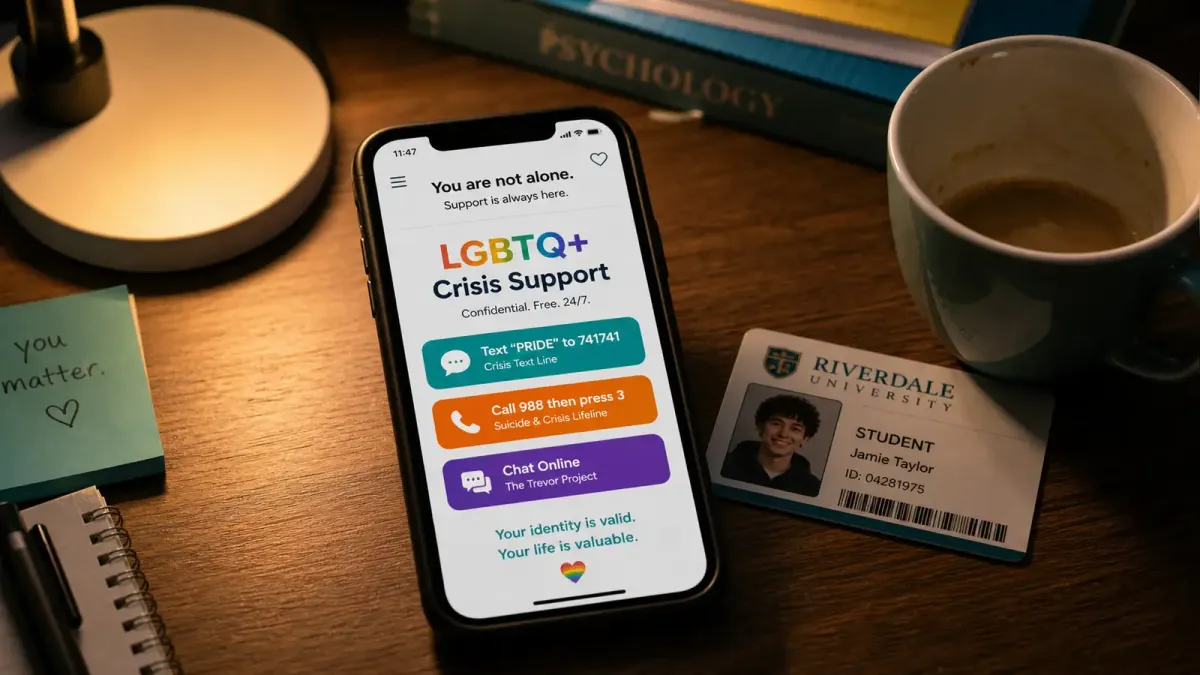
New California laws lock in 988 training for LGBTQ+ counselors and put crisis hotlines on student IDs. Meanwhile, the federal government is pulling bullying data from its own surveys.
Venture capital is pouring millions into youth mental health startups while the federal government still hasn't restored the LGBTQ+ crisis hotline it pulled a year ago. Here's what college students need to know about the growing gap.
A new UAlbany research project is putting academic rigor behind what LGBTQ+ communities have always known — that the best support often comes from people who share your experiences. Here is what the research shows and how students can build these networks on any campus.
Campus mental health data shows three years of sustained improvement, even as LGBTQ+ students face disproportionate challenges. Here is what the numbers actually reveal — and what needs to happen next.
The 'campus mental health crisis' narrative is everywhere, but the data tells a more complicated story — especially for LGBTQ+ students. A look at what's improving, what isn't, and which campus resources actually make a difference.
Campus support systems don't disappear over summer, but they can feel like they do. Here's how to maintain mental wellness, community connection, and a sense of belonging during the months when the campus LGBTQ+ center is on reduced hours.
For LGBTQ+ college students, social media is both a lifeline and a landmine. Research shows that 44% of LGBTQ+ youth feel safer online than in person — yet the same platforms can amplify anxiety, doomscrolling, and exposure to anti-LGBTQ+ rhetoric. Here's how to build a digital life that protects your mental health without sacrificing the community you've found online.
The rainbow logos come down, the corporate Pride posts stop, and campus resource centers go quiet. But community doesn't take a summer break — and neither should your support network.
From dedicated telehealth partnerships to peer mentorship networks with paid student coordinators, a growing number of universities are moving beyond statements of support to build institutional infrastructure that actually works.
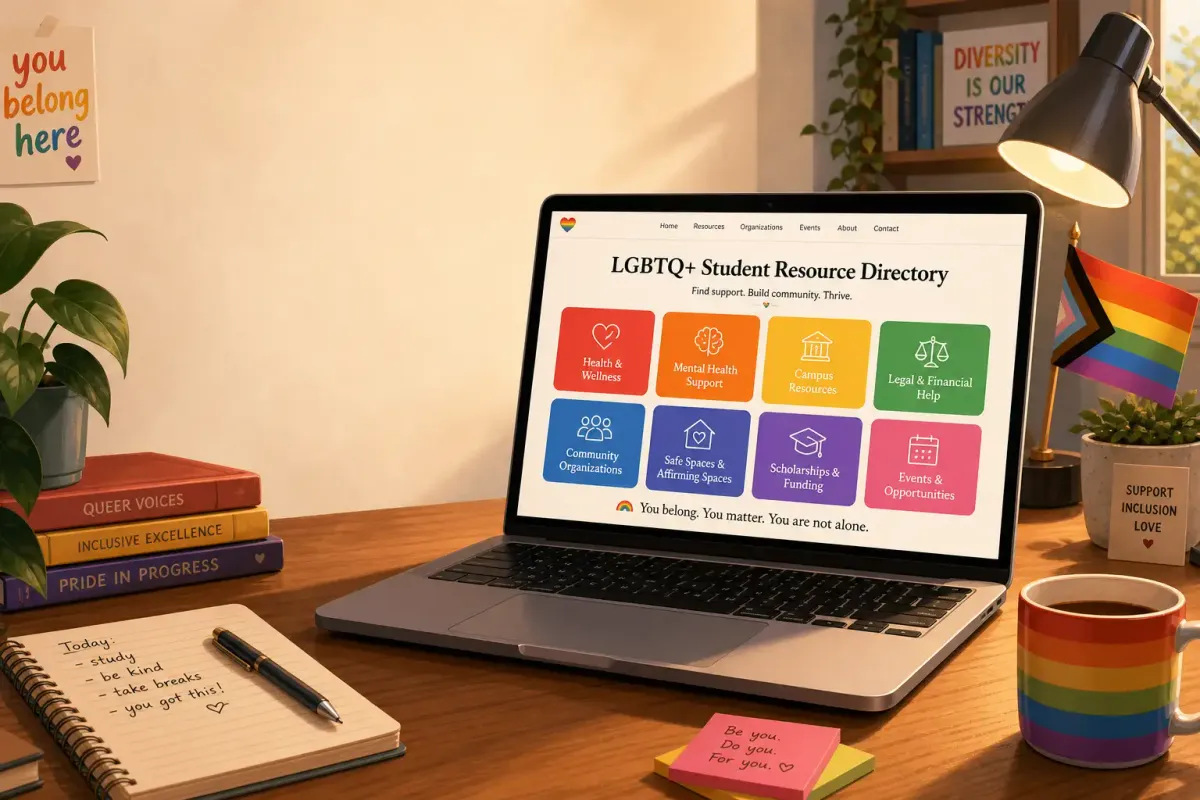
When campus closes for summer, LGBTQ+ students often lose access to vital support networks. Here are the digital resources, community organizations, and mental health tools that stay available year-round.
Not every campus has LGBTQ+ affirming providers. Here's how to find them in your community, verify their credentials, and advocate for respectful care — even when you're far from the LGBTQ+ center.
New research reveals how campus climate directly impacts LGBTQ+ student mental health. Here's what the evidence shows and why colleges are redesigning wellness programs from the ground up.
Campuses are moving past standalone mental health services to create comprehensive wellness ecosystems that address basic needs, institutional support, and community care for LGBTQ+ students.

Campus counseling centers are stretched thin, and LGBTQ+ students often need support that goes beyond general wellness. Here's how to find the right mental health resources at your school — and what to do when your campus falls short.
A practical guide to peer support programs and mentoring for LGBTQ+ students on campus, including how to find them, what to expect, and how to benefit.
Traditional mindfulness isn't always safe or accessible for LGBTQ+ people. Here's how to build a practice that actually serves you.
LGBTQ+ student life isn't just about coping with challenges — it's about cultivating joy. Here's what research and students say about building resilience.
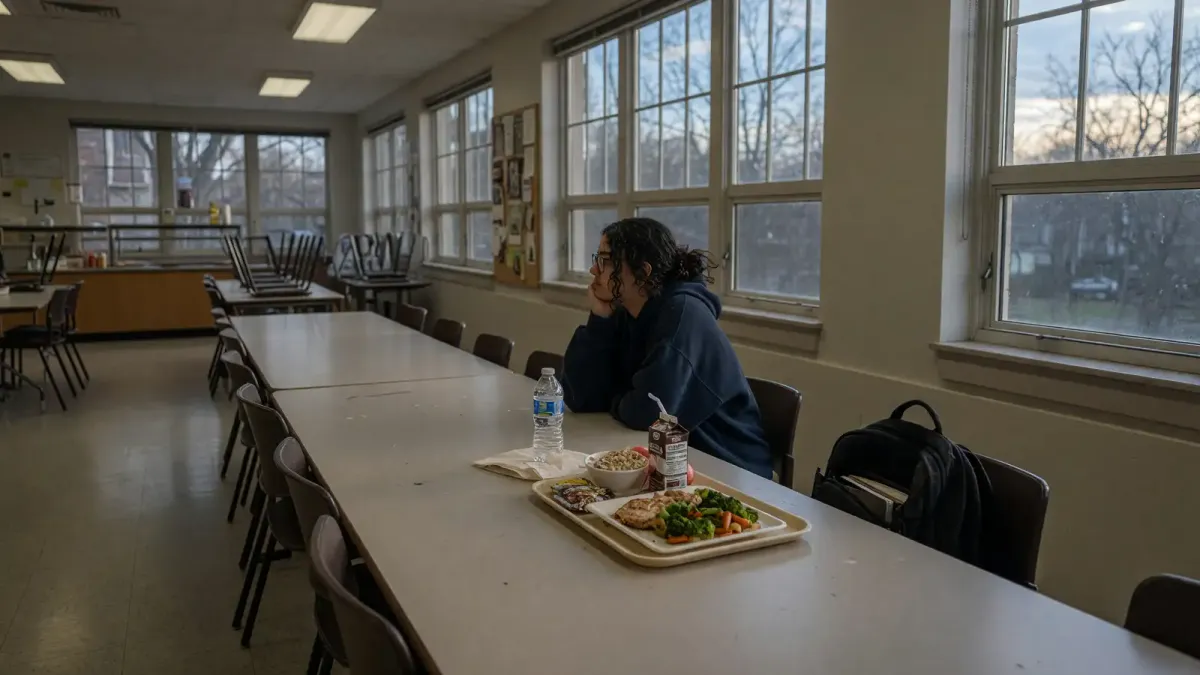
Eating disorders affect LGBTQ+ college students at disproportionately high rates. Here's why — and where to find identity-affirming support.
How to find an affirming therapist, what to ask in a consultation call, and how to make the most of campus and community mental health resources.
Why LGBTQ+ college students face unique sleep and stress challenges, and what research-backed strategies actually help.
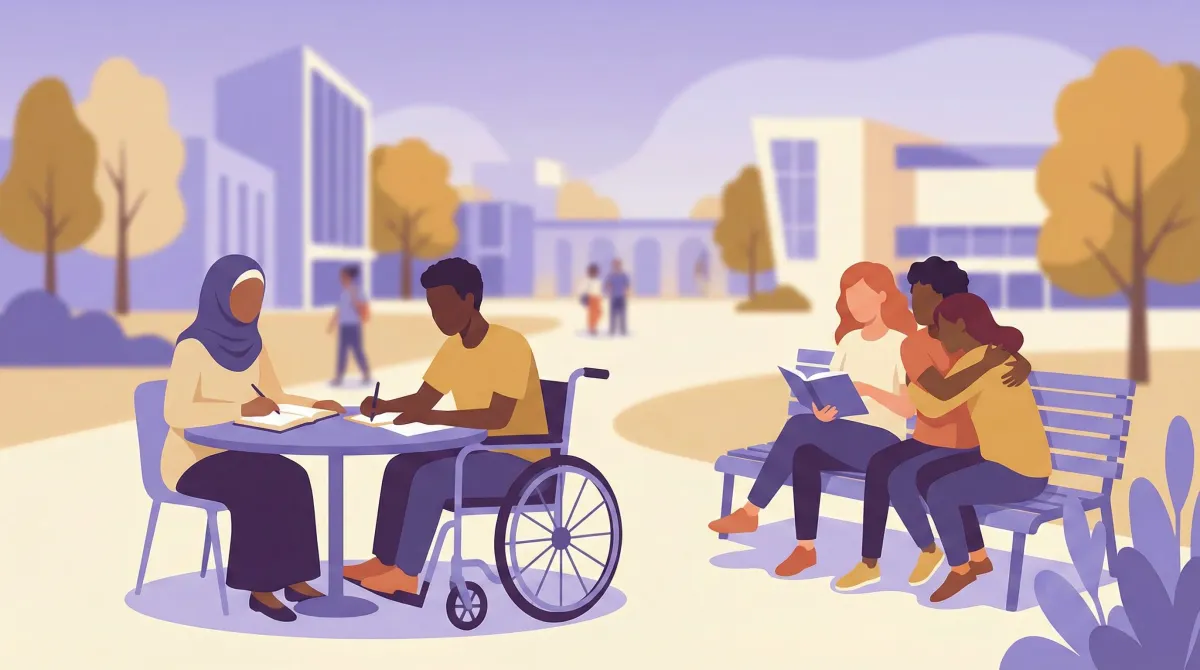 Featured
 A comprehensive guide to finding mental health support, counseling services, and community resources for LGBTQ+ students navigating college life.
 Featured
 A comprehensive guide to mental health resources, physical healthcare, and self-care strategies for LGBTQ+ students navigating campus life.
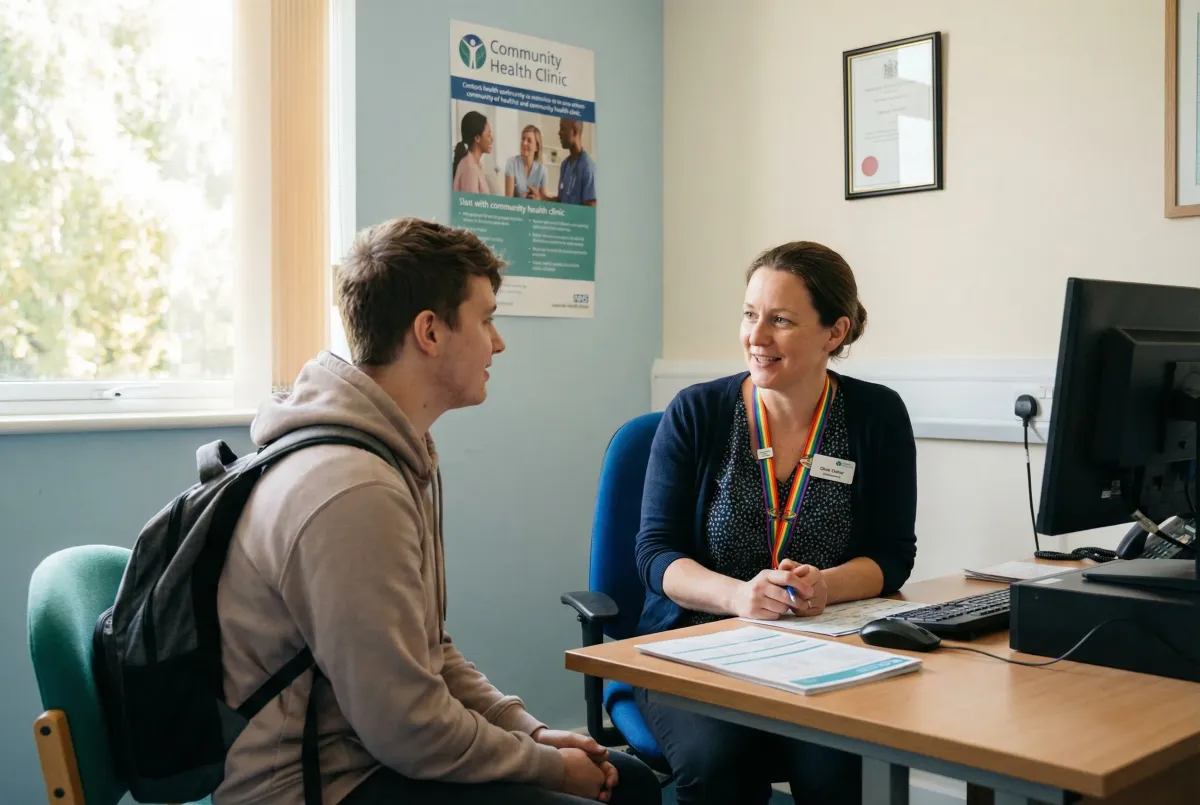
A comprehensive guide to gender-affirming healthcare for LGBTQ+ students, covering mental health support, hormone therapy, and navigating healthcare systems.
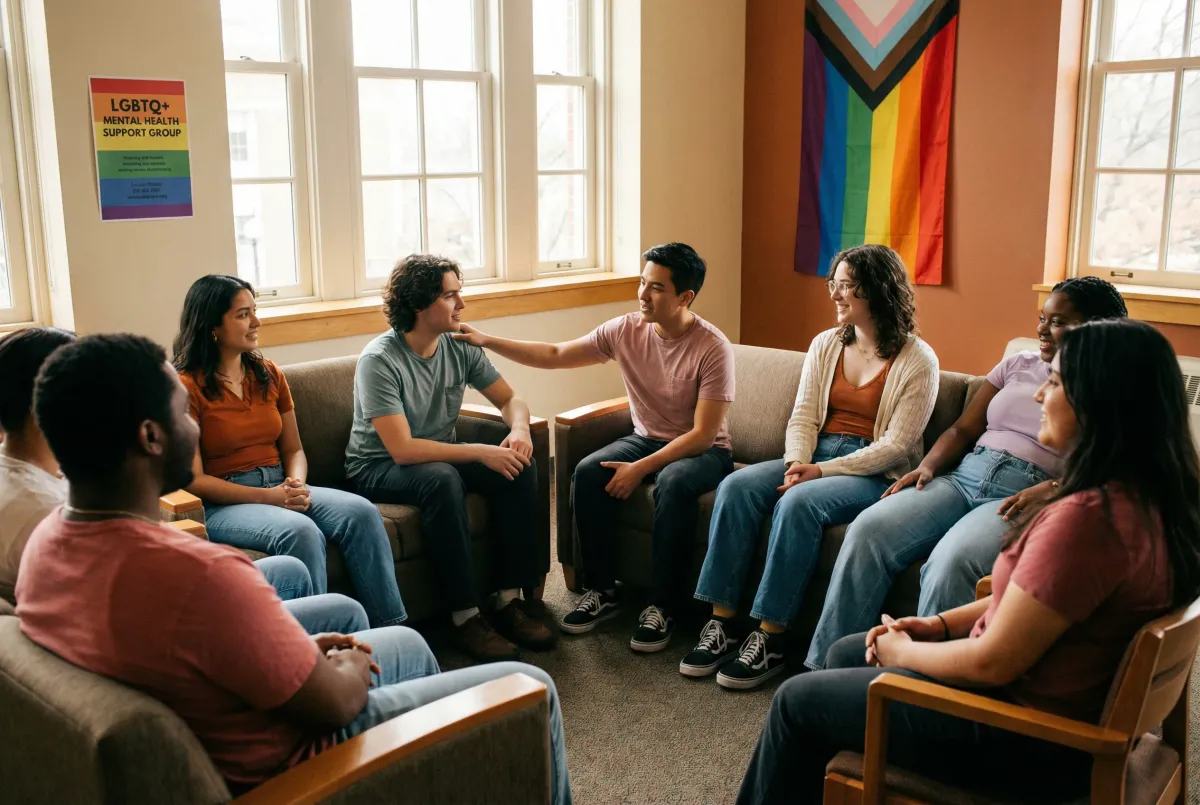 Featured
 Find affirming mental health resources, counseling services, and supportive communities for LGBTQ+ students.
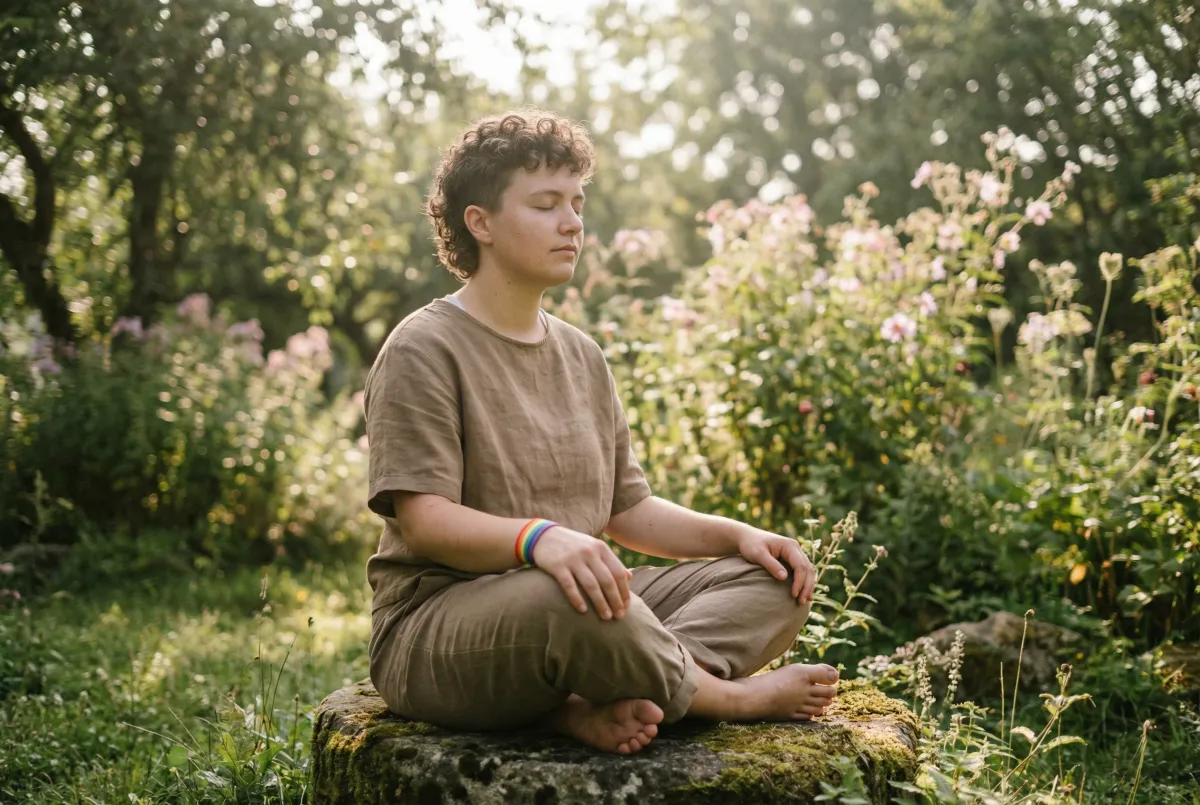 Featured
 A practical guide to self-care specifically designed for LGBTQ+ students, addressing unique challenges and providing actionable strategies for wellbeing.
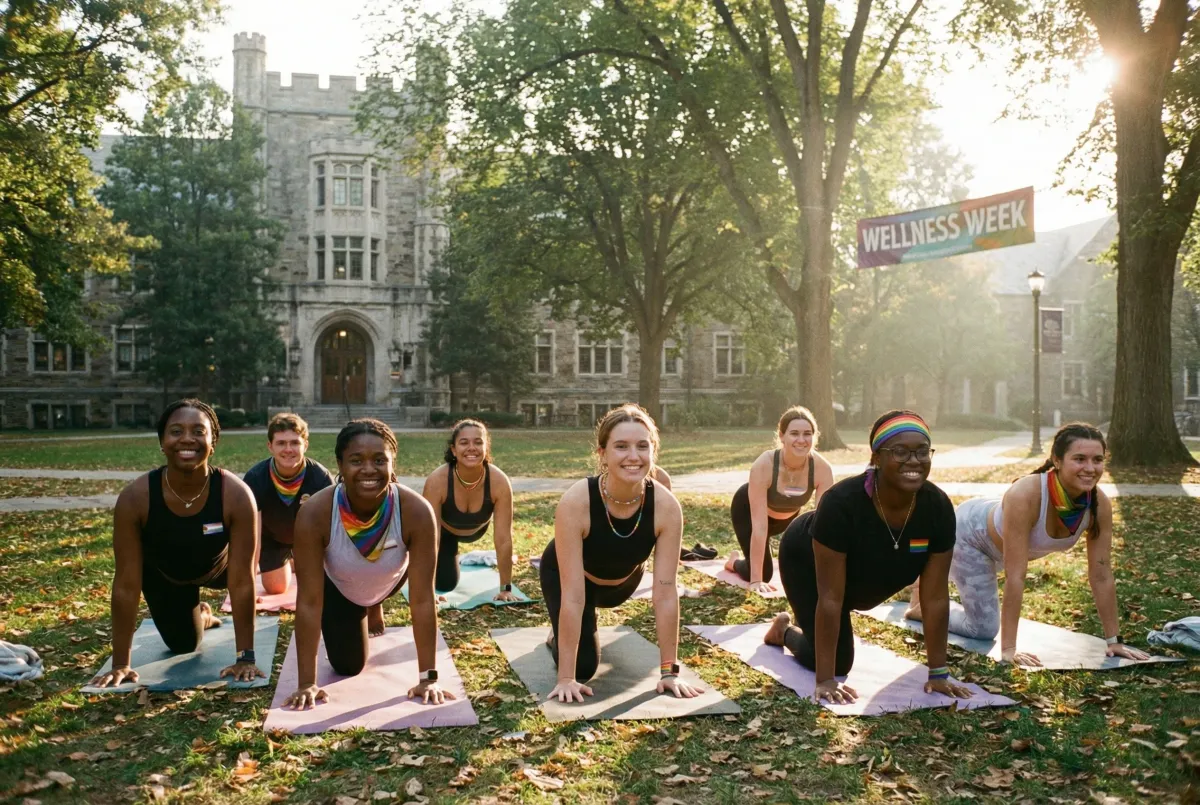 Featured
 Holistic wellness guide for LGBTQ+ students covering physical health, mental wellness, affirming healthcare, and building resilience.

A practical guide for LGBTQ+ college students dealing with family rejection, including coping strategies, building support networks, and creating chosen family.